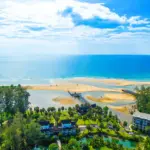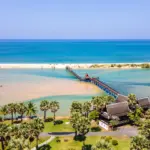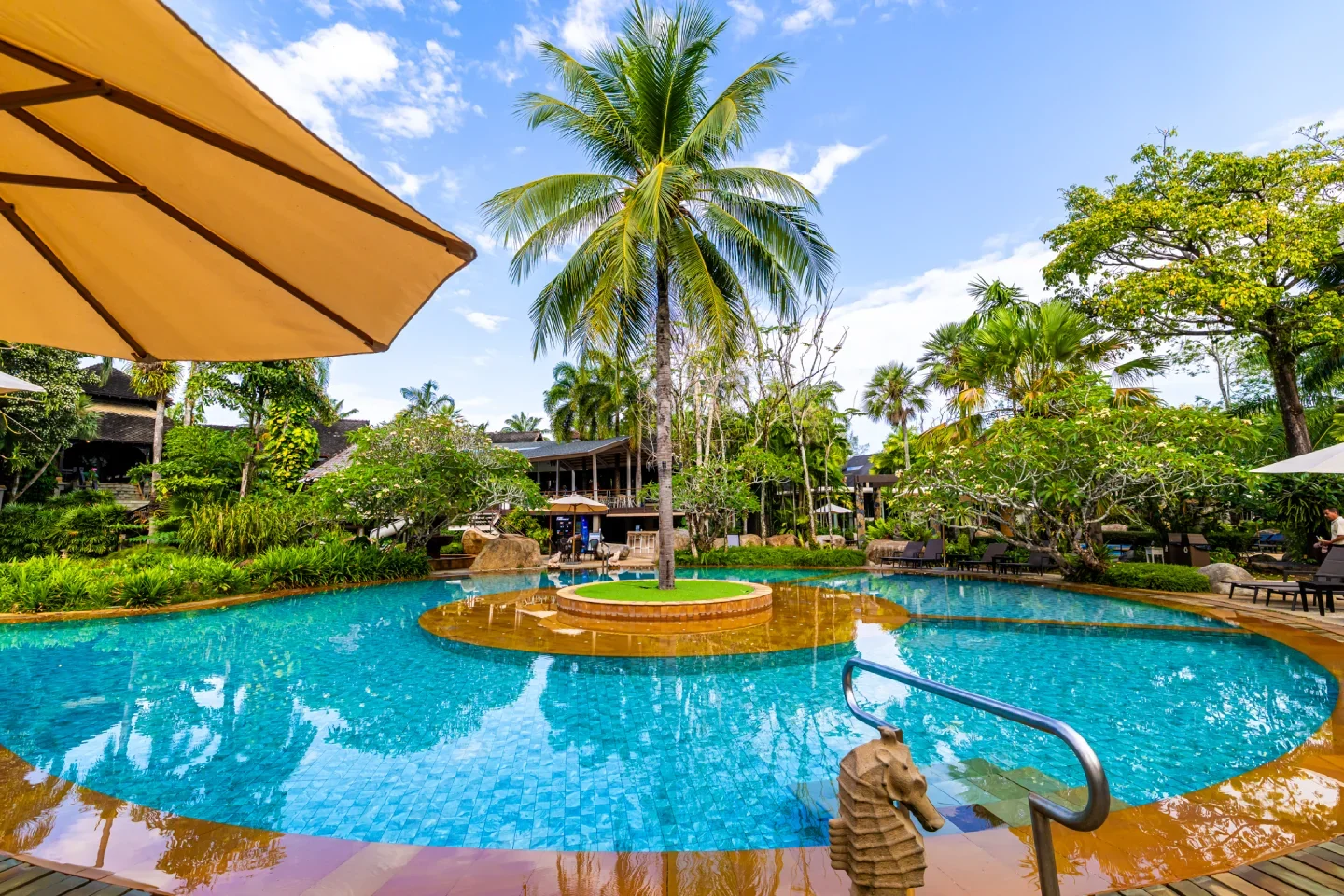
A natural hot spring stay in Phang Nga works best when you give it time. Rather than trying to fit several hot-and-cold rounds into a tight schedule, plan a quiet visit, check the current pool conditions with staff, and let comfort set the pace. At The Hotspring Beach Resort & Spa on Natai Beach, travellers can use the pools during an overnight stay or visit with a Day Pass.
This guide covers the practical part: what the resort currently provides, how to prepare, what a cautious first session can look like, and when to ask for professional advice. It does not treat hot spring bathing as medical care.
What makes this Phang Nga hot spring experience different?
The resort describes its spring as a natural salt hot spring found on the property around 40 years ago. Its Natural Hot Spring page also lists minerals found in its water testing. Because the underlying laboratory report is not included in the public material reviewed for this guide, those details should be read as the resort's account, not as independent medical evidence.
For trip planning, the useful point is that the hot spring and cold plunge area sits within a beach resort, so a pool session can be part of a longer day that includes a meal, time by the pool, rest, or a walk near Natai Beach. There is no need to chase a dramatic reaction from the water. A calm session followed by proper rest is a sensible way to begin.
The resort's public pages currently quote different hot-pool temperatures. Ask staff for the day's reading when you arrive and follow the posted instructions rather than relying on an old number online.
Check the access details before you travel
The main hot spring pages listed pool hours of 8:00 am to 9:00 pm when this guide was checked on 2 September 2026. The Day Pass page listed shorter access hours, from 8:00 am to 7:00 pm. These schedules can change, so confirm them before making a special journey.
The resort currently has two straightforward ways to plan the experience.
Visit with a Day Pass
The Day Pass is intended for people who are not staying at the resort. The live page listed parking, a locker and changing room, a pool towel, bottled water, swimming-pool access, the natural salt mineral hot spring pools, and the cold plunge among the inclusions.
A Day Pass suits travellers who already have accommodation in Phuket or Phang Nga and want a focused half-day visit. Check the current fee, child policy, access hours, availability, and any booking requirement directly with the resort. Avoid building the day around an old price found in search results.
Stay overnight
An overnight stay removes the pressure to use every facility in one visit. You can settle in, ask staff about the pools, choose a quiet time, and rest afterwards. It also gives you room to change the plan if you arrive tired, have eaten recently, or simply do not feel like moving between hot and cold water that day.
Review the resort's current accommodation options and confirm what your selected rate includes. A room booking and a wellness programme are separate choices unless the current package says otherwise.
How to prepare for the pools
Bring swimwear and dry clothes. Sandals with a good grip are useful around wet areas. The Day Pass page says a towel and bottled water are included, but carrying your own water is still sensible if you are travelling in hot weather.
Before entering, read the signs and speak with staff. The resort's bathing guide asks guests to shower, enter gradually, stay hydrated, avoid alcohol, and leave at least an hour around meals. It also says a single soak should not exceed 30 minutes. That is a maximum in the resort's guidance, not a target. A first visit can be shorter.
Tie back long hair if needed and use the changing facilities before entering the pool area. A quick shower is courteous to other guests and follows both resort guidance and general public-health advice.
A cautious first hot-and-cold session
There is no single hot-to-cold routine that every guest needs to follow. Fitness, heat tolerance, health, weather, and the day's actual pool temperature all affect how the water feels. First-time guests can keep the session simple.
1. Start with a shower and check the current pool instructions.
2. Test the hot water with your hands and feet, then enter slowly.
3. Sit quietly and notice how you feel. You do not need to stay until the maximum time.
4. Leave the water if you feel dizzy, light-headed, nauseous, unusually tired, short of breath, or uncomfortable.
5. Rest and drink water before deciding whether to try the cold plunge.
6. If you choose the cold water, enter gradually and keep the exposure brief. Skip it if the shock feels unpleasant.
You do not have to repeat the cycle. One comfortable hot soak, followed by rest, may be enough. The cold plunge is an option, not a test of endurance.
Precautions worth taking seriously
The resort's own bathing guide tells people with heart disease and pregnant guests not to soak. The US Centers for Disease Control and Prevention also advises pregnant people to speak with a healthcare provider before using a hot tub. Anyone with a heart or lung condition, poor heat tolerance, fainting history, or another condition affected by temperature should seek personal medical advice before the visit.
The CDC's healthy hot-tub guidance says users should shower first, avoid alcohol before and during use, avoid swallowing the water, and stay out when ill with diarrhoea. It also advises that children under five should not use hot tubs. Ask the resort about its current child policy because a Day Pass child rate does not, by itself, confirm which pools are suitable for every age.
Do not use the hot spring to treat pain, circulation problems, skin conditions, stress disorders, or any other medical issue. Warm water may feel pleasant, but comfort is not proof of treatment. If symptoms appear during or after a session, stop and get appropriate help.
Etiquette in the hot spring area
A quieter pool area is easier for everyone to use. Shower before entering, wear suitable swimwear, and keep voices low. Follow staff instructions about food, drinks, photography, and personal items.
Give other guests space, especially around steps and handrails. If the pool is busy, a shorter session may be more comfortable than waiting in the water for a particular seat. Return towels and locker items as directed.
Photography deserves a little restraint. A wide pool view may look harmless, but other guests might be in swimwear or trying to relax. Frame photos carefully or wait until the background is clear.
How to build the experience into a wellness stay
Leave breathing room around meals and avoid scheduling a hot pool session just before a transfer or strenuous outing. Keep the hour after your session open for rest if your itinerary allows it.
For a Day Pass, arrive early enough to check in without rushing. Tour the facilities first, then choose whether to begin with rest, a swim, or a short hot spring session. Have a break before any second visit to the water.
For an overnight stay, consider using the pool after you have settled into the room and rehydrated from the journey. Keep the evening flexible. A light meal and an early night may be a better follow-up than another long soak.
The resort also has a Wellness Program, but services and schedules should be checked separately. Do not assume a treatment, spa service, meal, or transfer is included unless it appears in the current package details.
Day Pass or overnight stay: which should you choose?
Choose a Day Pass when the pools are the main reason for the visit, you already have accommodation nearby, and you are comfortable travelling back afterwards. It is the more direct option, but the access window is shorter and you will need to plan transport around the visit.
Choose an overnight stay when you want a slower pace, prefer not to travel immediately after the pools, or want to combine the experience with beach and resort time. It also gives you more flexibility if the weather, your arrival time, or your energy level changes.
Neither option is automatically better. The decision comes down to time, transport, and how much rest you want around the water.
Frequently asked questions
Are the hot spring and cold plunge open to non-guests?
The resort currently advertises a Day Pass for non-resort guests. Check availability, hours, fees, and any advance-booking requirement on the live Day Pass page before travelling.
How long should a first soak last?
The resort's guide sets a maximum of 30 minutes, but a first soak can be shorter. Leave as soon as you feel uncomfortable and rest before considering another session.
Do I have to move directly from hot water to the cold plunge?
No. Resting between pools is a cautious choice, and skipping the cold plunge is fine. Ask staff if you are unsure about the current pool conditions or onsite sequence.
What should I bring for a Day Pass?
Bring swimwear, dry clothes, slip-resistant sandals, sun protection, and any personal toiletries you need. The live Day Pass page lists a towel, bottled water, locker, and changing room, but confirm current inclusions before arrival.
Can children use the hot spring?
Ask the resort for its current age and supervision rules. CDC guidance says children under five should not use hot tubs, and not every pool is suitable for every child.
Is hot spring bathing a medical treatment?
No. This guide describes a leisure and wellness experience. It does not replace medical care, and the resort's marketing claims should not be used to diagnose or treat a condition.
Plan your visit
Decide first whether you want a focused Day Pass or the extra time of an overnight stay. Then check the live pool hours, current access terms, and any health questions that apply to you. For the latest details, use the resort's contact page before travelling to Natai Beach.